
Last updated November 2, 2026
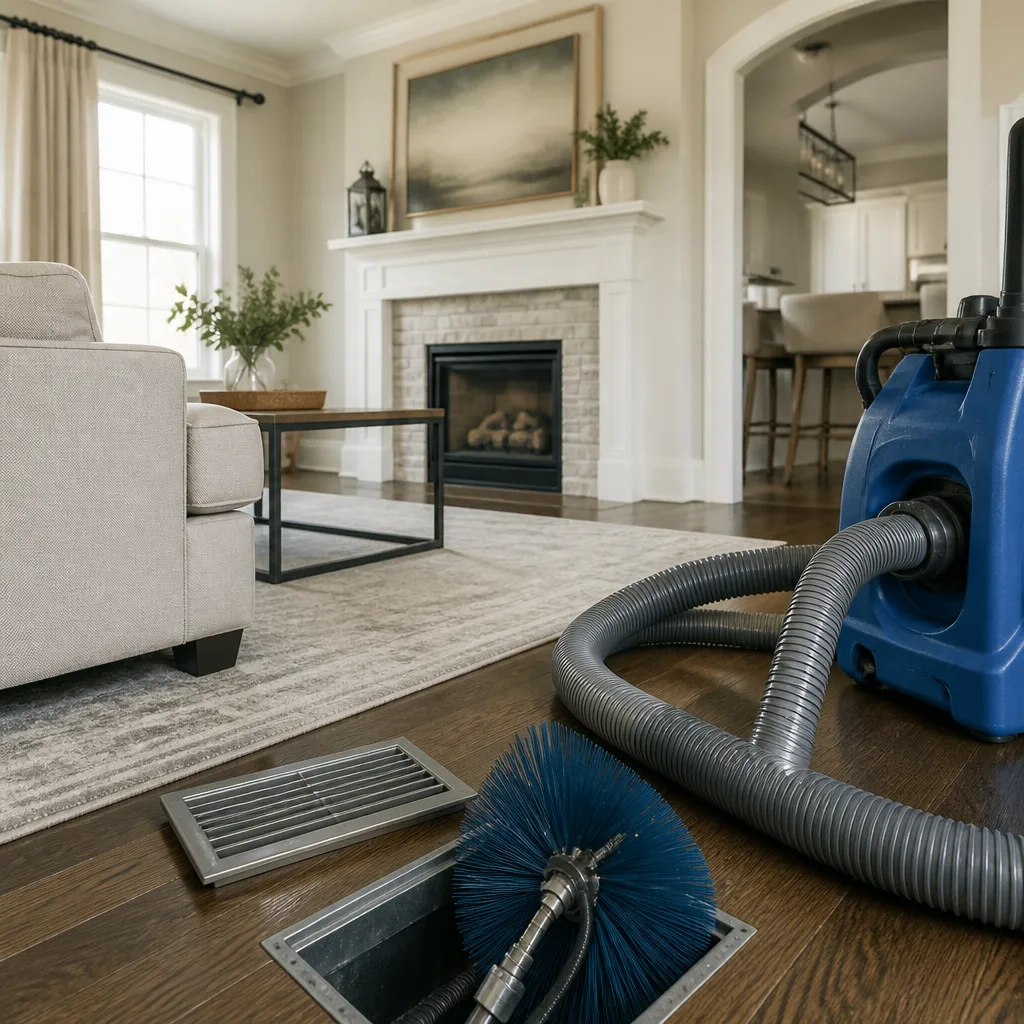 Whole-home duct cleaning
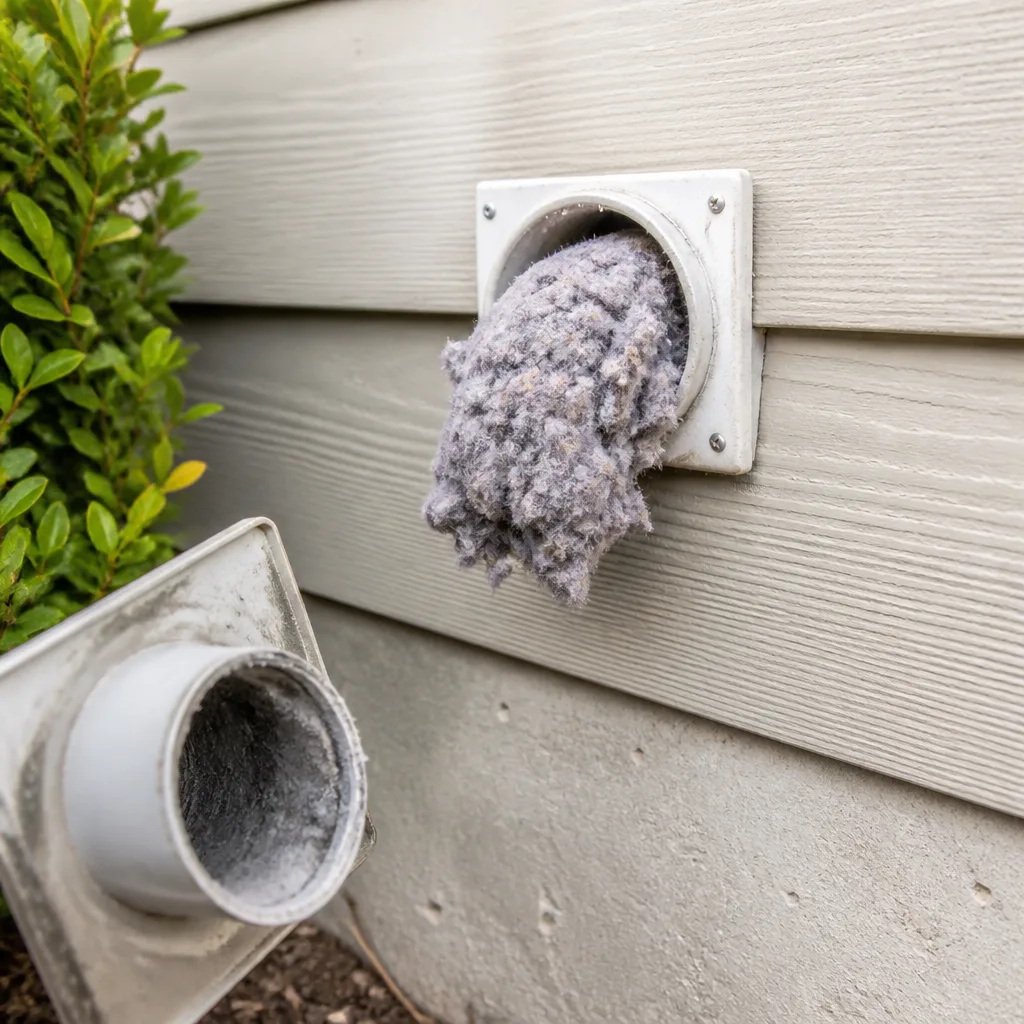 Dryer vent cleaning
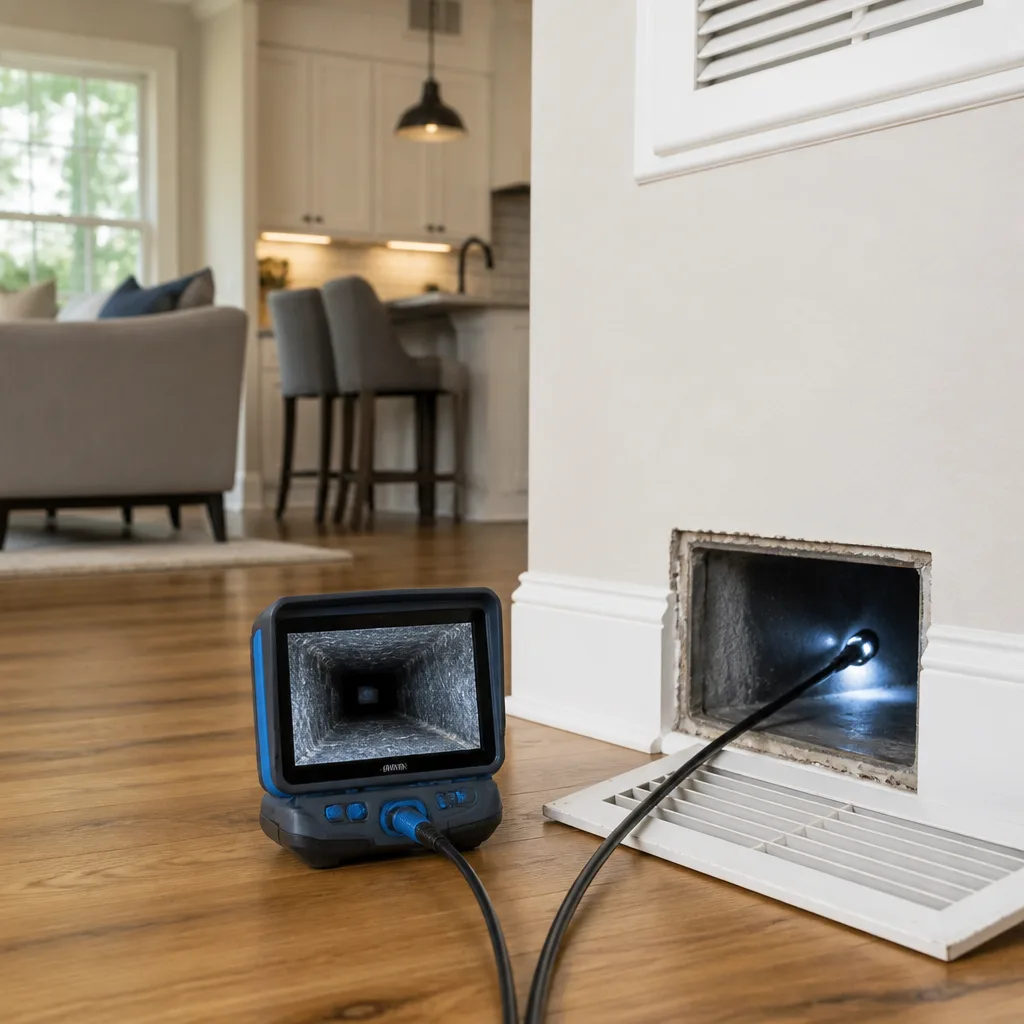 Camera inspection
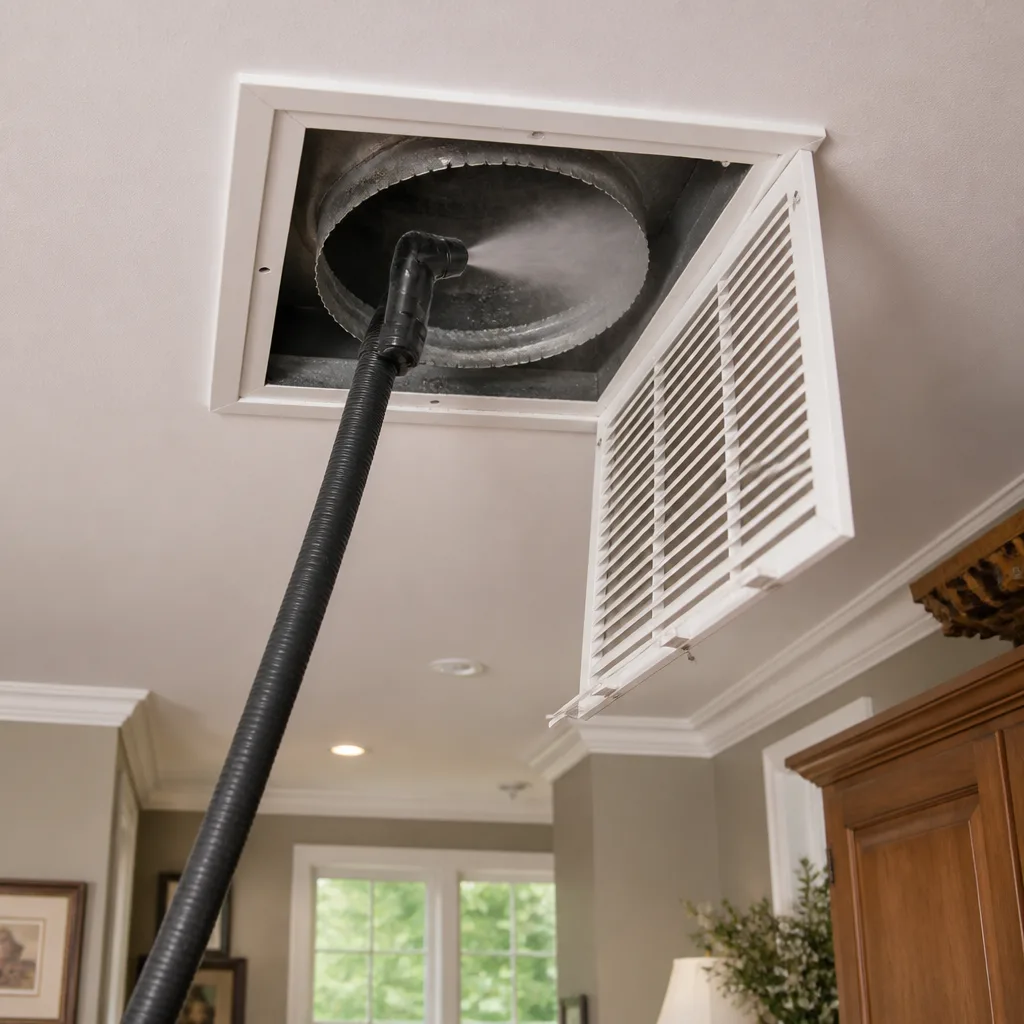 Sanitizing & deodorizing
Whole-system duct and dryer vent check with before-and-after photos - you see exactly what came out of your vents
That "$99 whole-house special" is a bait ad - the real number appears once they are in your hallway, or the "clean" is a shop-vac at the register. We photograph the inside of your ducts before and after instead.
Seasonal Air Duct Cleaning Care for Palm Desert: Year-Round Homeowner’s Guide
In Palm Desert, your air conditioner may run continuously for five months straight. That’s not a season – it’s an endurance test, and your ducts are accumulating evidence of it the entire time. Most seasonal duct cleaning guides are written for places with actual seasons: falling leaves, spring pollen blooms, winter furnace startups. Palm Desert has none of those. What it has is a cooling season that punishes HVAC systems harder than anywhere else in Southern California, a brief moderate window most homeowners waste, and a winter heating stretch that reveals everything the summer left behind. This guide covers what actually matters here: when to clean, why the timing differs from everywhere else, and how to spot problems before they spread through your whole house.
Styles & brands we work with
- Whole-home duct cleaning
- Dryer vent cleaning
- Camera inspection
- Sanitizing & deodorizing
Quick Answer
Seasonal air duct cleaning in Palm Desert should happen twice a year: once in March or early April before cooling season starts, and once in October or November after it ends. The pre-summer cleaning is the highest-leverage service you can schedule because it removes accumulated winter dust before your AC begins its five-month continuous run. The post-summer cleaning clears out what that run deposited before you switch to heating mode.
Table of Contents
- Palm Desert’s Real Seasons: Cooling, Dust, and the Brief Reprieve
- Pre-Summer Preparation (March-April): The Highest-Leverage Cleaning Window
- Mid-Summer Monitoring: Warning Signs You Can’t Afford to Ignore
- Dust Events and Santa Ana Winds: Timing Cleanings Around the Desert, Not the Calendar
- Post-Summer Assessment (October-November): Before You Switch to Heat
- Winter Heating Considerations: What Your First Heating Cycle Reveals
- Filtration Upgrades That Make Sense for Palm Desert Homes
- Common Mistakes to Avoid
- When to Call a Professional
- Frequently Asked Questions
- The Bottom Line
Palm Desert’s Real Seasons: Cooling, Dust, and the Brief Reprieve
Forget spring, summer, fall, and winter. Palm Desert operates on three functional seasons, and each one stresses your ductwork differently. Understanding this is the key to knowing when cleaning actually matters.
The cooling season runs roughly May through September. During these months, daytime highs routinely exceed 100 degrees, and your AC compressor cycles on and off all day, every day. The blower motor pushes conditioned air through your ducts at full volume. That continuous airflow is efficient at drying out moisture but relentless at distributing whatever’s already sitting in your ductwork. A small accumulation of dust in March becomes a house-wide distribution problem by August.
Then there’s the dust season, which doesn’t follow a neat calendar. Haboobs – those massive walls of dust that roll across the Coachella Valley – can happen any time from late spring through early fall. Santa Ana wind events in the fall season kick up fine particulate that finds its way into return ducts, especially through older window and door seals. Homes in the northern parts of Palm Desert, closer to the open desert and the I-10 corridor, tend to see more wind-driven dust intrusion than homes tucked into the southern foothill communities. Either way, the dust doesn’t just settle on your patio furniture. It gets drawn into your return air stream and deposited throughout your duct system.
The brief reprieve is October through November, when temperatures moderate and the AC finally gets a rest. This is the evaluation window. It’s also the only time of year when you can realistically schedule work without either fighting for an appointment during peak season or living without cooling during a heat spike. And yes, Palm Desert does get a heating season – usually December through February, with nighttime lows in the 40s. Heat pumps and furnaces kick on, and the first cycle of the year tells you a lot about what your ducts accumulated over the summer.
If you’re looking for a more detailed breakdown of how our cleaning process works in this specific climate, our Air Duct Cleaning in Palm Desert page covers the method and equipment in depth.
Pre-Summer Preparation (March-April): The Highest-Leverage Cleaning Window
Scheduling air duct cleaning in Palm Desert in March or early April is the single smartest move you can make for your HVAC system. Here’s why: your ducts are about to run at full capacity for five months. Anything sitting in them right now will be blown through your living space, re-circulated, and baked onto duct walls. Cleaning before this run starts means you’re starting the endurance test with a clean system.
Here’s what to inspect before the heat arrives:
- Register and return grille buildup. Remove a couple of vent covers and look inside with a flashlight. If you see dust clumps, pet hair, or gray fuzz, that’s what’s been circulating. It will only get worse once the system runs daily.
- Filter condition. If your filter is clogged after winter, your blower motor has been working harder than it should. That stress translates to more particulate bypassing the filter and entering the duct system.
- Airflow from each register. Turn the system on and walk the house. Rooms with noticeably weaker airflow often indicate a duct obstruction or leak – not just a dirty register – and may point to a need for Air Duct Repair in Palm Desert.
- Odors when the system first kicks on. A musty or stale smell in that first thirty seconds of operation means microbial growth or accumulated organic matter inside the ducts. It won’t improve on its own.
- Visible dust on surfaces shortly after cleaning. If you dust your furniture and it’s coated again within days, your ducts are redistributing what’s already in them.
We bring commercial-grade equipment to residential jobs, which matters more in pre-summer preparation than any other time of year. The Rotobrush source-removal system physically agitates and extracts debris from duct walls rather than just vacuuming loose dust. Nikro HEPA-filtered vacuum systems capture fine particulate instead of exhausting it back into your home. Abatement Technologies negative-pressure containment equipment keeps whatever we dislodge from escaping into living spaces during the cleaning. That’s the difference between a cleaning that lasts through a Palm Desert summer and one that needs repeating by July.
Why March Beats May
By May, HVAC contractors across the Coachella Valley are booked solid responding to system failures. Heat arrives fast here, and when it does, every homeowner on the block suddenly remembers their ducts exist. March and April appointments are easier to schedule, allow more time for thorough work, and cost the same. The dust you remove in March is dust that won’t be baking onto your duct walls at 110 degrees in July.
Mid-Summer Monitoring: Warning Signs You Can’t Afford to Ignore
Once cooling season is in full swing, your ducts are under the most stress they’ll experience all year. The system runs for hours daily. Air moves at maximum velocity. Any existing problem gets amplified. In our experience with Palm Desert homes, there are three warning signs that consistently indicate a duct problem that shouldn’t wait until fall.
Uneven room temperatures. This is the one homeowners notice first. One bedroom feels frozen while the family room stays ten degrees warmer despite the thermostat reading. Sometimes this is a damper issue or an undersized unit. But when it develops mid-summer after years of consistent performance, it’s often a duct leak. A disconnected or damaged section of ductwork in the attic is dumping cool air into a hot space instead of into your living room. The system works harder, your energy bill climbs, and the room never gets comfortable. This isn’t a cleaning issue – it’s a repair issue, and it’s exactly why our Air Duct Repair in Palm Desert service exists. We can diagnose and fix the leak rather than just cleaning around it.
Unusual odors during operation. Every system has a smell when it first kicks on after being idle. But during continuous summer operation, you shouldn’t smell anything. A persistent musty odor that gets worse as the day heats up suggests moisture in the ducts – possibly from a condensate issue near the air handler, or from the rare desert humidity spike we get during monsoon season. A burning or electrical smell is a different animal entirely and warrants an immediate professional inspection. A stale, dusty smell that never goes away means the ducts themselves are holding contaminants and releasing them continuously.
Visible debris at registers. Look at the vent covers on your ceiling. If you see gray or black streaks radiating outward from the register openings, that’s dust and particulate being blown out of the ducts and onto the surrounding surface. It’s the clearest visual proof that what’s inside your ducts is finding its way into your air supply. Wipe it down and it returns within days because you’re treating the symptom, not the source.
Dust Events and Santa Ana Winds: Timing Cleanings Around the Desert, Not the Calendar
Most seasonal maintenance guides tell you to clean on a fixed schedule: twice a year, every spring and fall. That advice isn’t wrong for most climates. But Palm Desert has a variable those other guides don’t account for: dust events that deposit more particulate in a single afternoon than most cities see in months.
Haboobs are the headline events. When a wall of dust rolls through the Coachella Valley, it doesn’t just coat your car and patio. The finer particles – the ones you can’t see individually – get pulled into your home through every opening, including the fresh air intakes on your HVAC system. Even with quality filters, a significant portion of that ultra-fine dust makes it through to your return ducts and into your supply runs. Homes near open desert corridors or along major wash channels in Palm Desert take the brunt of it.
Santa Ana wind events in October and November bring a different kind of dust: smaller, drier, and more prone to static cling on duct surfaces. These winds also tend to coincide with the time when homeowners switch from cooling to heating mode, meaning the dust gets deposited right before the system’s airflow patterns change.
Here’s the practical takeaway: if you experience a major dust event during a season when you weren’t planning a cleaning, that event should reset your timing. Schedule a professional assessment within a month of a significant haboob or extended Santa Ana period. The dust that entered your home during that event is now inside your ductwork, and until it’s removed, it will circulate through your living space every time the system runs.
Post-Summer Assessment (October-November): Before You Switch to Heat
Five months of continuous cooling takes a measurable toll on duct systems. The post-summer window is when you evaluate that toll and address it before heating season adds its own stresses. In Palm Desert, October and November are ideal because temperatures are moderate enough to run the system periodically without either heating or cooling demand being critical.
Here’s the step-by-step assessment we recommend:
- Run the system in cooling mode for ten minutes. Listen for any new rattles, whistles, or thumps that weren’t present in the spring. New sounds mean something shifted – a loose duct connection, a failing blower bearing, or debris that got pulled into the system.
- Inspect all visible registers and returns. After a full cooling season, even well-maintained homes will show some buildup. The question is how much. A light coating is normal. Heavy accumulation or visible debris inside the duct opening means a professional cleaning is warranted.
- Check your filter. If you replaced it in April and it’s heavily loaded now, your system processed a significant volume of particulate over the summer. That’s the debris load your ducts were exposed to.
- Note any rooms that never cooled properly. If certain spaces struggled all summer despite proper thermostat settings, write them down. Tell your technician about them during the assessment. Persistent room-specific issues often point to duct leaks or sizing problems rather than dirt.
- Smell the system. Turn it on and stand near a supply register. The first thirty seconds are the most revealing. A dusty or stale odor means residue from summer operation is still present. If the smell persists beyond the first minute of operation, the ducts need cleaning before heating season begins.
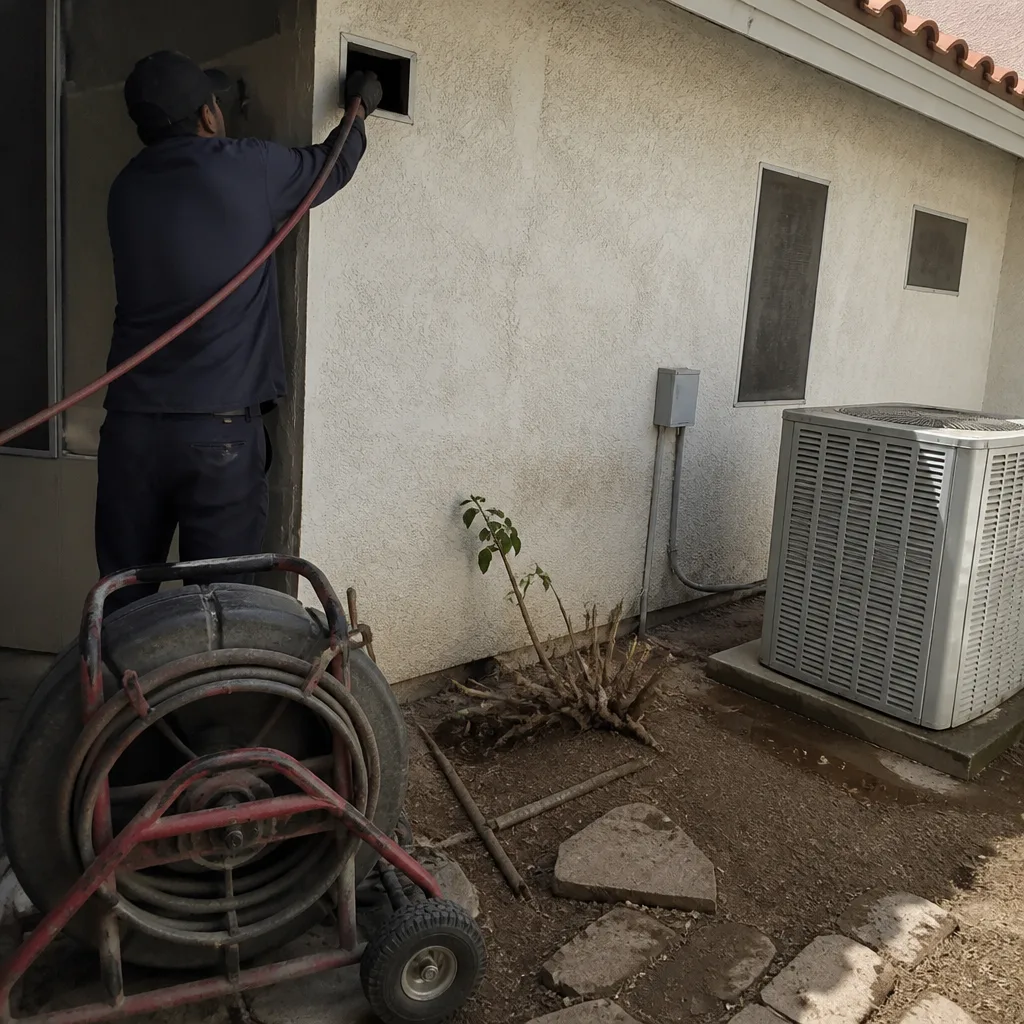
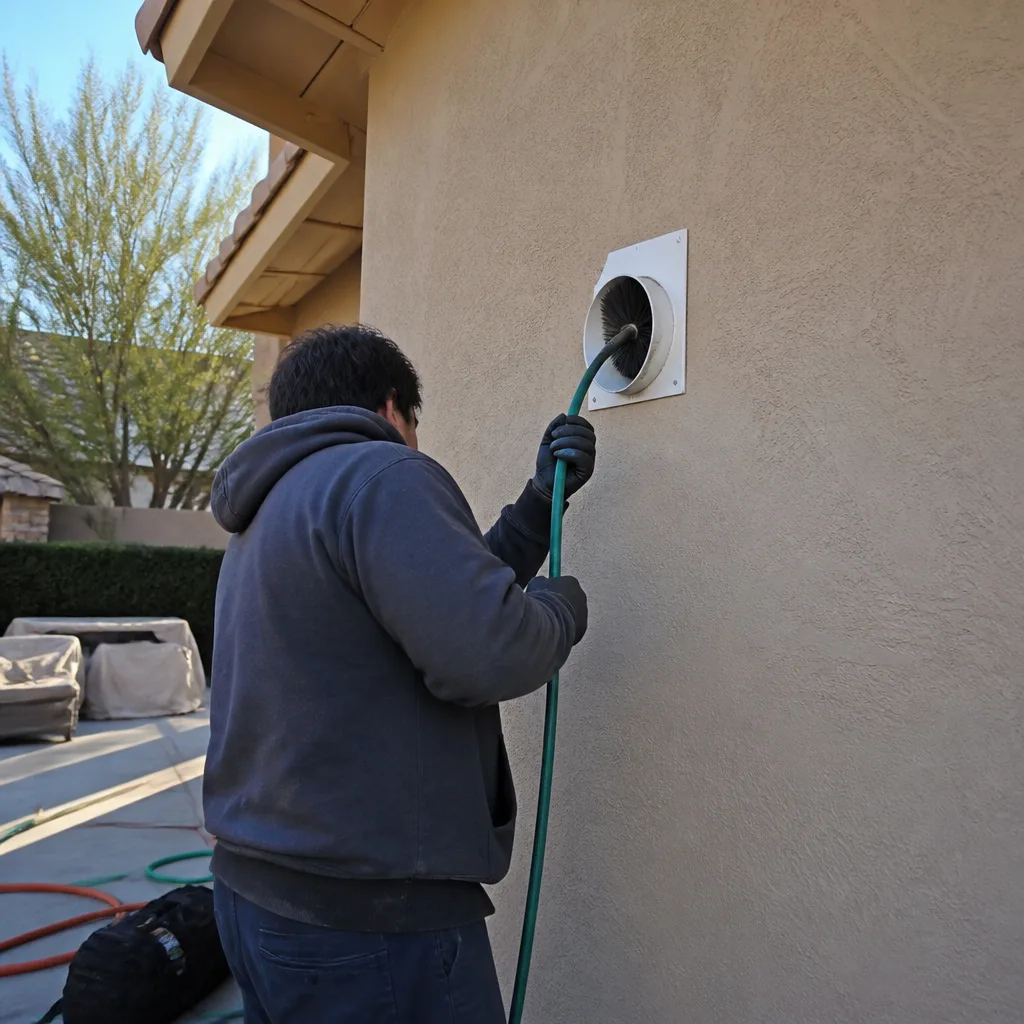
This post-summer assessment is also the right time to schedule Dryer Vent Cleaning in Palm Desert. Dryer vents accumulate lint year-round, but summer is when they work hardest – families wash more clothes, towels, and linens during the heat, and the dryer runs more frequently. A clogged dryer vent is one of the leading causes of residential fires, and the lint buildup that happens during a Palm Desert summer is exactly the kind of accumulation that creates real risk. We handle dryer vent cleaning with the same equipment-driven standard we apply to ducts, because a lint clog is a safety issue first and an efficiency issue second.
Winter Heating Considerations: What Your First Heating Cycle Reveals
When the first cool snap arrives in Palm Desert – usually late November or early December – and your heating system kicks on for the first time in eight or nine months, your nose will tell you things your eyes can’t. The smell that comes out of the registers during that first heating cycle is perhaps the most honest report card your duct system will ever produce.
Here’s why: during cooling season, your ducts stay relatively cool. Moisture from the air conditioning process, combined with cooler duct temperatures, creates an environment where dust and organic debris settle and compact. That material sits inert in the ducts during the fall shoulder season. Then the heating system fires up, and suddenly the air moving through the ductwork is 20 to 30 degrees warmer than it’s been in months. That heat bakes the settled material. The smell is the result of that baking process – dust, pet dander, and whatever else accumulated during cooling season being heated and pushed through the house.
A brief, mild dusty smell during the first heating cycle is common, even in well-maintained homes. It should dissipate within a few minutes of operation. A strong odor that lasts for days, or a smell with an acrid or burning character, indicates significant buildup. The same goes for visible particulate being blown out of registers during those first heating cycles. If you see dust motes dancing in the air currents from your vents in December, that’s material that settled in your ducts during the summer and is now being pushed out under heat.
The fix is straightforward: clean the ducts before heating season starts, and the first cycle will be as clean as the last one. Skip the cleaning and you’ll be heating, exhaling, and re-circulating summer’s debris all winter long. For homes with heat pumps – common in Palm Desert – the reverse-cycle operation means your system never fully rests; the same duct pathways handle both heating and cooling, so accumulated material encounters heated air every winter without fail.
Filtration Upgrades That Make Sense for Palm Desert Homes
Duct cleaning removes what’s already in your system. Filtration determines what gets in and what stays out going forward. In a desert climate with constant fine dust in the ambient air, the two work together. This is why we work with and install products from Aprilaire – their whole-home filtration systems are engineered for exactly the kind of continuous particulate load Palm Desert homes experience.
A standard one-inch fiberglass filter stops the big stuff. It does almost nothing for the fine dust that comes through as a result of haboobs, Santa Ana winds, and ordinary desert conditions. That fine particulate passes through the filter, enters the supply ducts, and gets distributed through your living space. A whole-home Aprilaire filtration upgrade, installed at the air handler, captures a much higher percentage of that fine material before it ever reaches the ductwork. It’s not a replacement for duct cleaning – particles already inside the ducts stay there until removed by source-removal cleaning with our Rotobrush and Nikro equipment – but it dramatically reduces the rate at which new material enters the system.
The right time to consider a filtration upgrade is during a scheduled duct cleaning. We can assess your current filter setup, discuss what you’re experiencing in terms of dust levels and allergies, and install an appropriate Aprilaire filtration solution in the same visit. That’s the appeal of working with one crew that can clean and upgrade in one visit, rather than coordinating separate contractors for separate problems.
Common Mistakes to Avoid
- Cleaning only when you notice a problem. By the time dust is visibly blowing from registers or odors are persistent, your ducts have been distributing contaminants for months. A seasonal schedule in Palm Desert prevents reaching that point at all.
- Treating all cleaning services as equivalent. A shop-vac-and-brush service and a source-removal cleaning with HEPA filtration produce very different results. We use Rotobrush and Nikro equipment because airflow problems deserve real solutions, not surface-level ones.
- Ignoring the dryer vent while focusing on supply ducts. Dryer vents are technically separate from your HVAC ducts, but they’re the most fire-prone air pathway in your home. A Palm Desert summer of heavy dryer use builds lint quickly. The safety consequences of neglect here are more immediate than any dust issue.
- Assuming a new-build home has clean ducts. Construction debris – drywall dust, sawdust, insulation fragments – often ends up in the ductwork of new homes in the Palm Desert area’s active development communities. A newly built home can actually need cleaning more urgently than a twenty-year-old one.
- Switching to heating mode without a post-summer assessment. The first heating cycle bakes whatever summer deposited into your ducts. One hour of inspection in October prevents months of breathing re-circulated dust.
- Using the cheapest filter available. In a desert environment with constant fine particulate, an inadequate filter means everything that passes through ends up in your ducts. Upgrade filtration at the same time you clean, and you extend the useful life of the cleaning.
- Assuming duct cleaning addresses airflow problems. If rooms are unevenly heated or cooled, cleaning removes the symptom – dust – but not the cause, which may be a leak or disconnected run. That requires Air Duct Repair in Palm Desert.
When to Call a Professional
Call a professional when the warning signs stop being subtle. Persistent odors from your registers that don’t fade after the first minute of operation. Visible dust accumulation on register covers within days of cleaning. Rooms that refuse to cool or heat properly despite a functioning HVAC unit. A dryer that takes longer than 45 minutes to dry a normal load. Any of these indicates a duct system problem that won’t resolve itself. Duct Cleaning Palm Desert serves the entire Palm Desert area with professional-grade equipment and a three-service approach covering Air Duct Cleaning, Dryer Vent Cleaning, and Air Duct Repair. We can diagnose, clean, and repair in one visit if needed. Duct Cleaning Palm Desert home offers free estimates for Palm Desert homeowners – call (833) 589-9812 to schedule yours.
Frequently Asked Questions
Twice a year is the right cadence for most Palm Desert homes: once in March or April before cooling season starts, and once in October or November after it ends. Homes near open desert corridors that experience frequent dust events or haboob impacts may benefit from a third assessment if a significant dust event occurs. Call (833) 589-9812 and we’ll help you figure out the right schedule for your specific location and system.
Whole-system air duct cleaning in Palm Desert typically ranges from $350 to $700 depending on home size, number of systems, and the level of contamination. The key variable is the method: source-removal cleaning with HEPA filtration equipment costs more than basic vacuum-only services but produces a genuinely different outcome. We provide a flat price per system before any work starts, so the number we quote is the number you pay. Call (833) 589-9812 for a free estimate.
That smell is accumulated dust and debris being heated after months of sitting in your ductwork during cooling season. The moisture from air conditioning operation helps particulate stick to duct walls, and the warmth of the first heating cycle releases it. A brief dusty smell is normal; a persistent odor means the ducts need cleaning. In Palm Desert, the best fix is a post-summer cleaning before heating season begins.
Yes, and more than most homeowners realize. The fine particulate from a haboob passes through standard filter media and gets drawn into the return side of your HVAC system. Once inside, it settles in the ductwork and recirculates every time the system runs. If you experience a major dust event in Palm Desert, consider scheduling a duct assessment within a month rather than waiting for your next seasonal cleaning.
Duct cleaning removes accumulated debris from the interior surfaces of your ductwork using source-removal equipment and HEPA filtration. Duct repair addresses structural problems: leaks, disconnected sections, damaged runs, and deteriorated seals. The two often go together – a cleaning that reveals a leak warrants a repair, and a repair shouldn’t be done without addressing the debris inside the system. We handle both, so you don’t need to coordinate separate contractors.
You can change filters, clean register covers, and vacuum visible debris from the first few inches of duct openings. You cannot effectively clean the full duct system without professional equipment. Consumer-grade vacuums lack the reach and filtration to remove material from deep inside duct runs, and they often exhaust fine particulate back into the living space. A professional source-removal cleaning with HEPA equipment is the only method that actually removes what’s inside rather than redistributing it.
The Bottom Line
Palm Desert’s climate treats your ductwork harder than most homeowners realize. Five months of continuous cooling pushes whatever’s in your ducts through every room of your house. Dust events deposit fine particulate that standard filters can’t stop. The brief fall reprieve is when you evaluate the damage and prepare for heating season. Twice-yearly cleanings – pre-summer and post-summer – aligned with the desert’s actual weather patterns rather than a generic calendar, will keep your system running cleaner and your air fresher. Duct Cleaning Palm Desert brings commercial-grade equipment and a complete service approach – cleaning, dryer vents, and repair – to every job. Call (833) 589-9812 for a free estimate and start the next season with ducts that are actually clean.
Written by the team at Duct Cleaning Palm Desert, serving Palm Desert since 2018.
See the difference
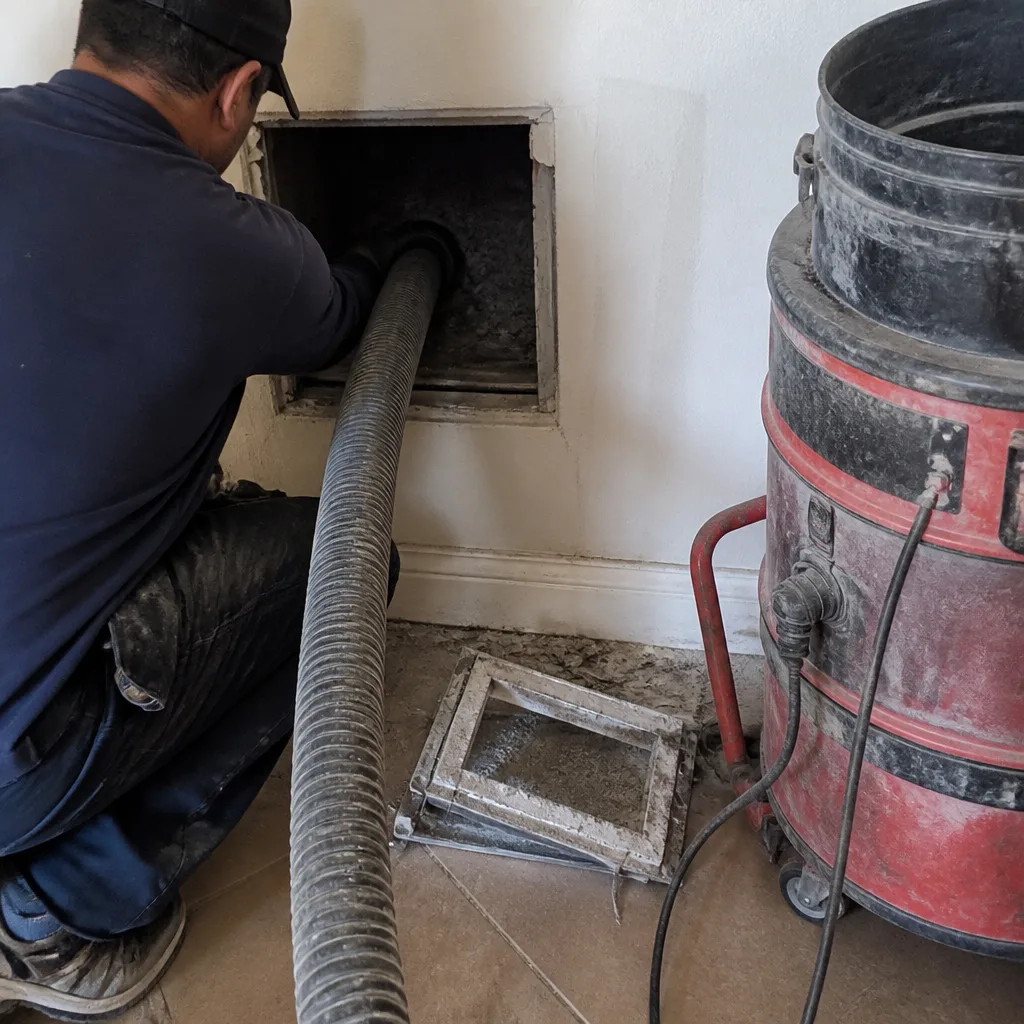 Before
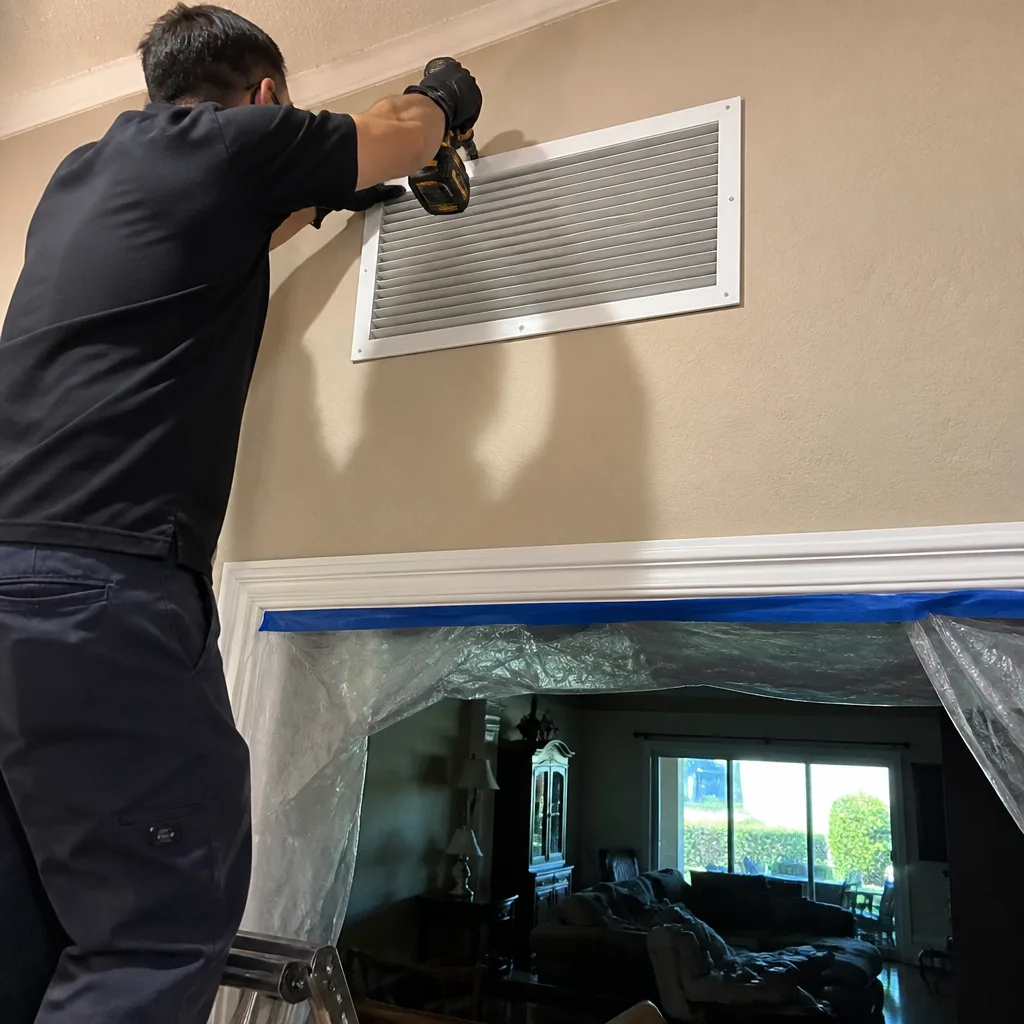 After
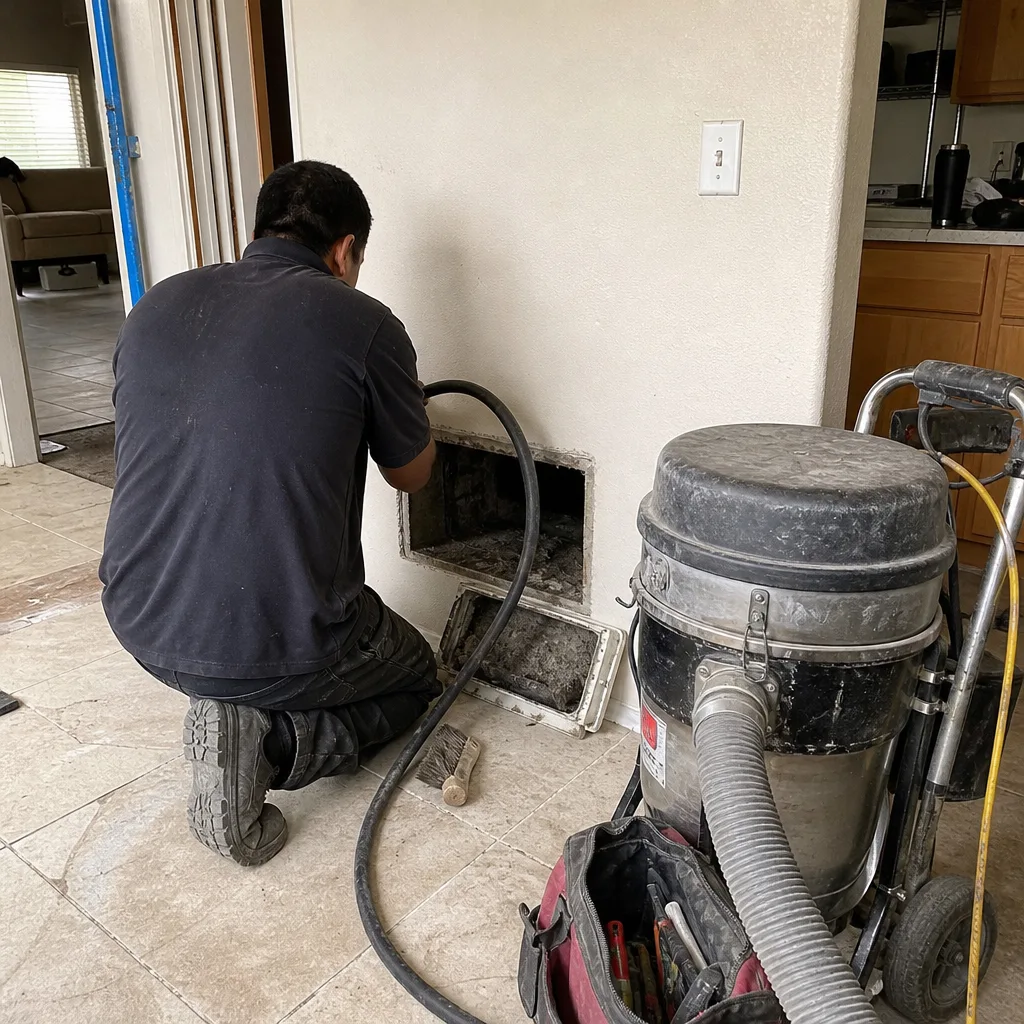 Before
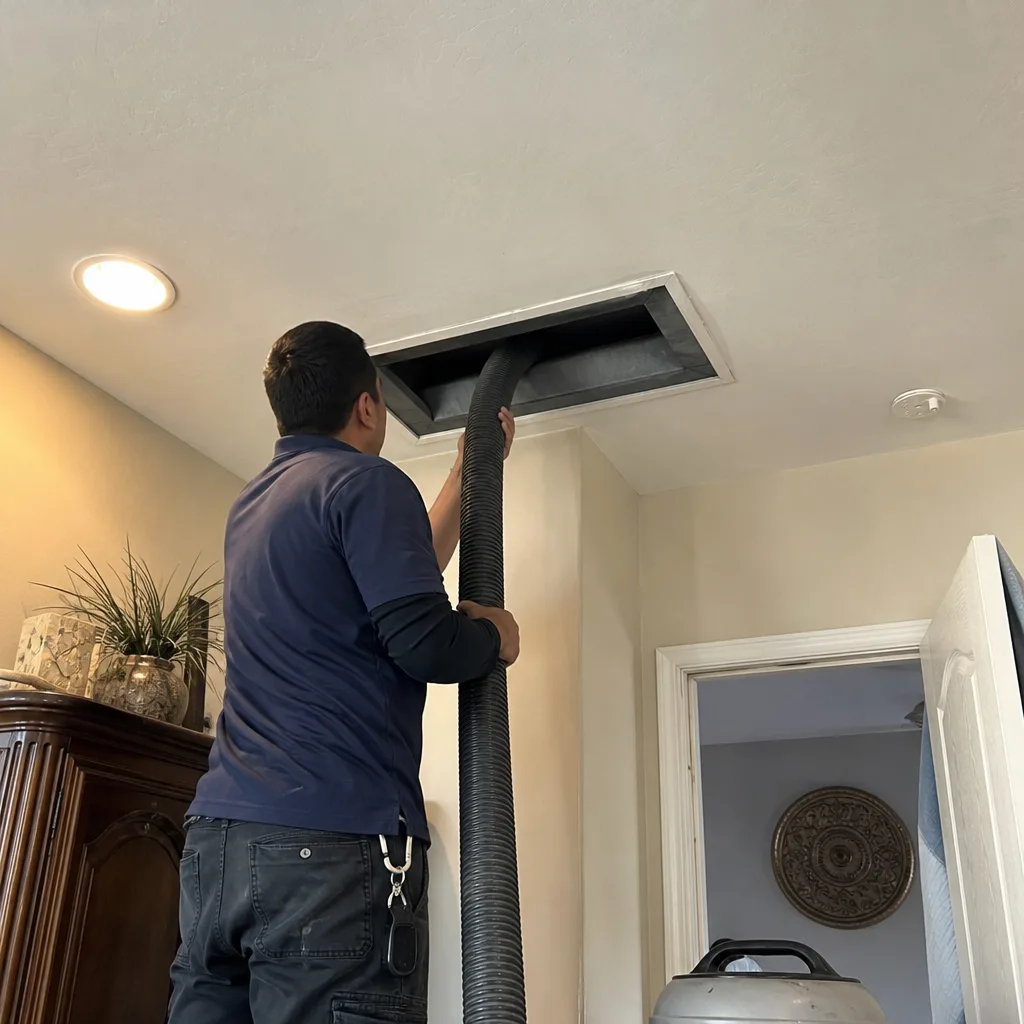 After
 Before
 After